Founder’s Story
When our daughter was diagnosed with autism at two years old, we never imagined needing paid caregivers to raise our child. We never imagined that one parent would be unable to work, or how much physical and emotional energy it would take each day to engage our daughter and meet her needs. We never imagined that she would not speak. We simply never imagined the life that lay ahead.
Nearly thirty years later—through struggle, perseverance, and hard-won triumphs—we have built a life for our daughter, Julia, that reflects her determination and vision. Julia fought tirelessly to be heard and to live the life she imagined for herself. Today, she lives in her own home, directs her dedicated staff who provide 24-hour support, and—most importantly—reliable access to communication. She is a published writer, has a rich and active social life, and directs her own days and goals. She is truly living a self-directed life.
One persistent challenge, however, threatens the long-term sustainability of this plan: the severe shortage of qualified paid caregivers.
Direct Support Professionals—the individuals who provide essential daily living and personal care support—are foundational to independent and supported living. Yet this workforce is in crisis. Low wages driven by Medicaid waiver reimbursement rates, lack of medical benefits, and limited career pathways make recruitment and retention extremely difficult. For individuals with nonspeaking autism, caregivers also require specialized training to support communication access—training that is often an out-of-pocket expense for families.
Even when funding is available, families are left to recruit, train, schedule, and retain caregivers on their own. The day-to-day demands are relentless, leaving little time or capacity for long-term planning. Years pass. Parents age. Families remain in survival mode without a sustainable plan for the future.
This reality affects all families of adults with disabilities—single parents, families with teens transitioning out of school, aging caregivers, and those supporting loved ones in the family home, supported living, or group homes alike. The caregiver crisis touches every setting.
NextGen Supports for Independence was created in response to this urgent need. We believe families cannot—and should not—have to navigate this alone. Nor can we rely solely on state systems or traditional agencies to solve a problem that requires creativity, community engagement, and shared responsibility.
NextGen exists to help families build sustainable solutions by connecting them with tools, strategies, and networks to recruit and retain caregivers, explore housing pathways, and plan for the future. We believe independence is not a privilege—it is a right. And together, as families and communities, we can build the supports that make self-directed adult lives possible.
Take the Next Step
You don’t have to navigate this journey alone. Join our community, access practical tools, and connect with the guidance you need to help your loved one live a self-directed life. Together, we can build the supports that make independence possible.
Meet the Board
-

Victoria Martin
Founder and CEO
-

David Martin
VP
-
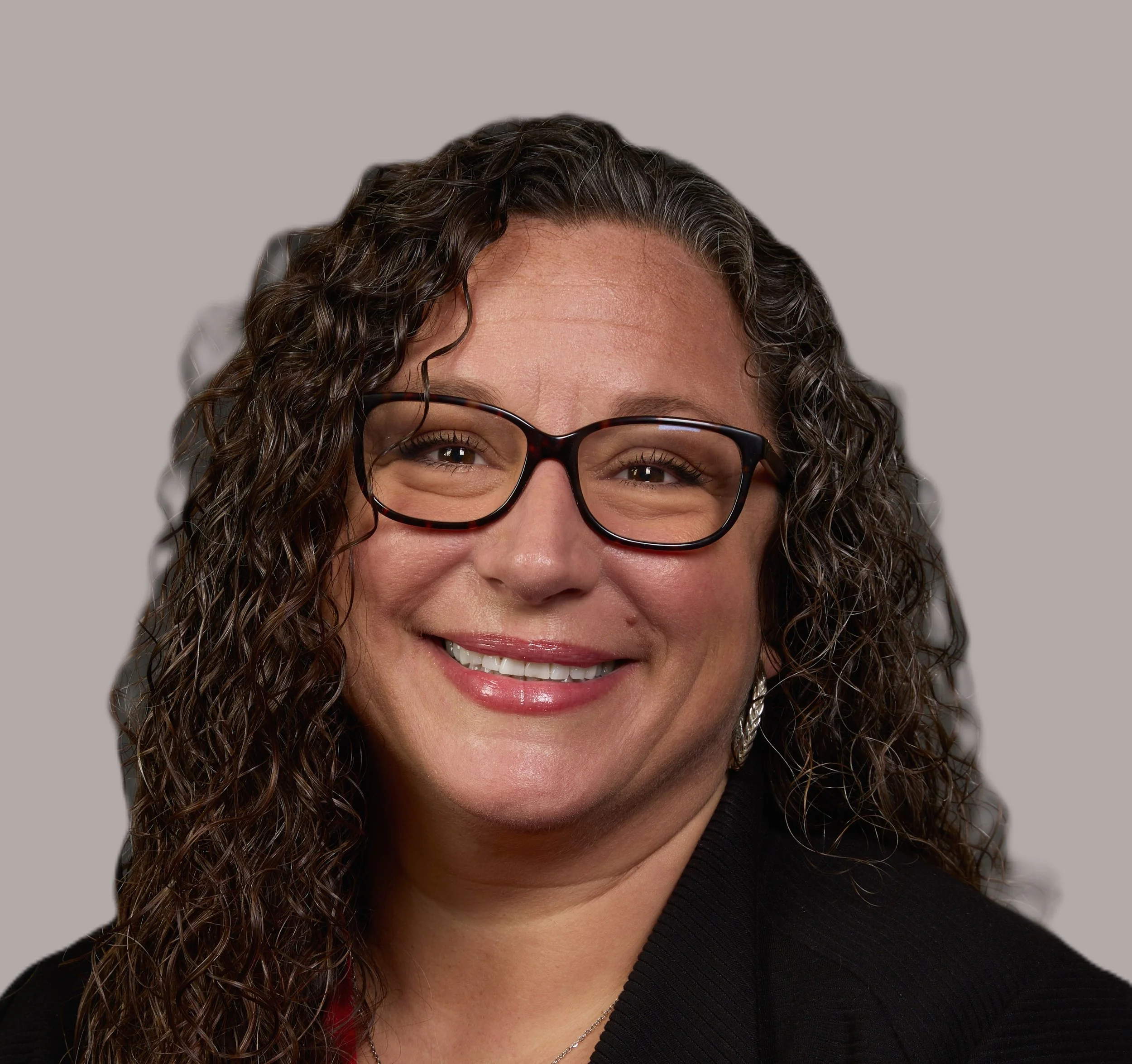
Christina Miranda
Treasurer
-
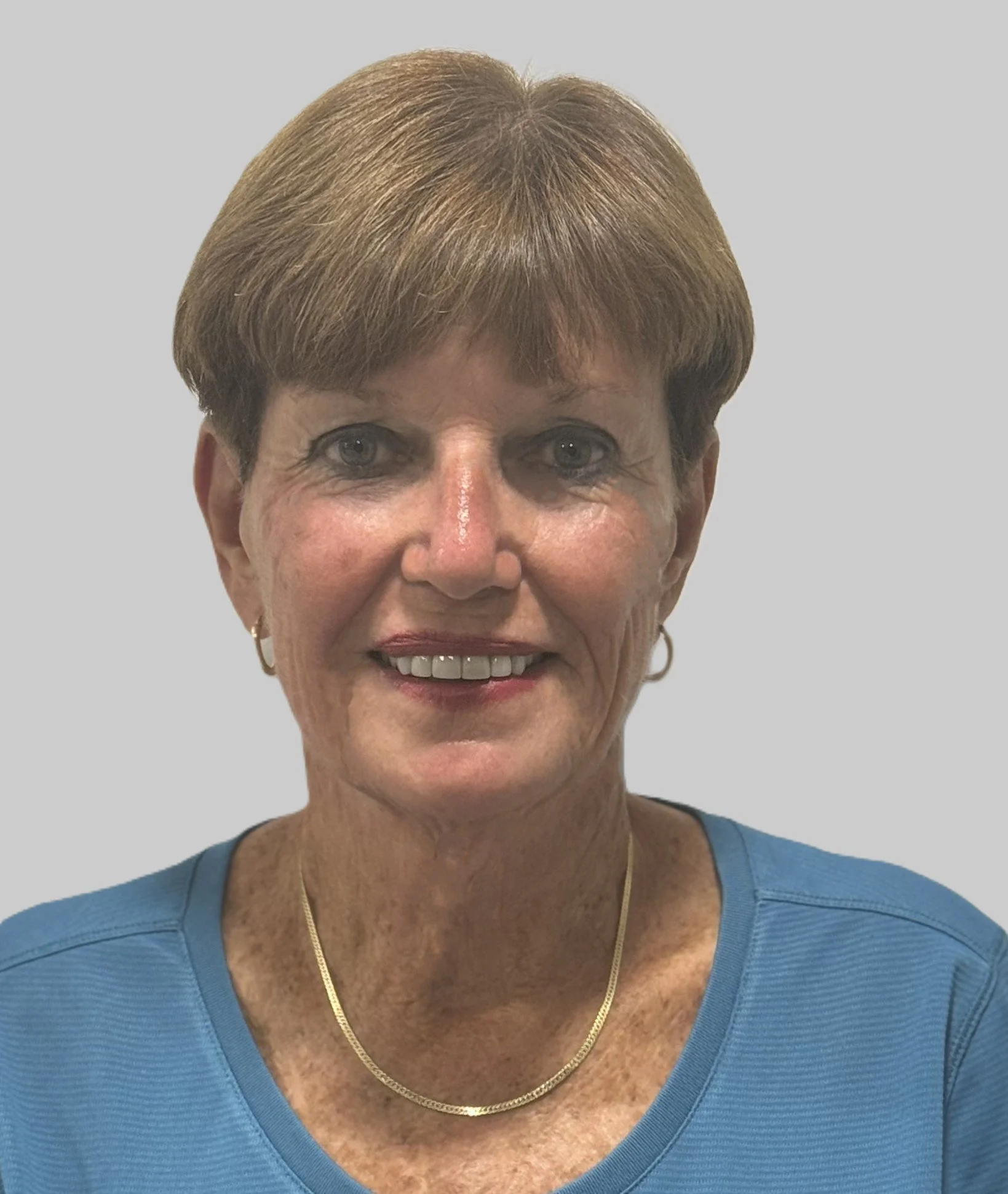
Cathy Cannon
Board Member
-
Beth Hynes
Board Member
-

Matthew Collins
Board Member
Advisors
-

Julia Martin
Advisory Member
-
Allie McGee
Advisory Member
-

Lorene Stongner
Advisory Member
About
Programs & Initiatives
Caregiver/Communication Partner Recruitment & Development Support
NextGen will conduct workshops to guide families on recruiting, interviewing, onboarding, and developing caregivers, including advertising strategies, shadowing sessions, and community collaboration.
NextGen will connects families with information and community resources that support the development of strong, self-directed support networks.
NextGen will offer guidance on engaging and training caregivers and volunteers, as well as collaborating with partner organizations, to expand opportunities for supported living, social programming, education, and life-skills development.
Independent Living Guidance
NextGen will conduct workshops to help families and autistic young adults explore housing options, roommate selection, support models (live-in or live-out), and financial considerations—primarily for youth in transition and for aging caregivers seeking to transition their loved ones out of the family home.
Funding Navigation & Financial Planning
NextGen will conduct workshops on accessing Medicaid Waiver, CDC + and Vocational Rehabilitation (VR) along with available financial tools, and long-term care planning for autistic young adults.
College Partnerships & Volunteer Pipelines
NextGen is initiating relationships with colleges to help advertise caregiver opportunities and connect families with interested students. As our capacity grows, we aim to expand these partnerships into more formal volunteer and internship programs that support the autistic community.
Advocacy & Systems-Level Change
Advocating locally, statewide, and nationally for solutions to the paid caregiver crisis and sustainable funding for autism support programs. Provide resources on Self-advocacy strategies focusing on meeting with local and State Representatives
Volunteer Connections
Connecting volunteers from schools, faith communities, and local businesses to families that could benefit from their support. Through community outreach and educational resources about autism and developmental disabilities, we support organizations in understanding the needs of individuals on the spectrum and in adopting best practices that strengthen volunteer recruitment and engagement.